Choosing a Roofing Contractor After a Georgia Storm
@emilianorhoj358
October 8, 2026 · 14 min read
A Georgia storm can leave a house looking mostly fine from the street while the roof tells a different story up close. That is part of what makes the aftermath so tricky. A few lifted shingles, a dented vent, loosened flashing around a chimney, or damage in a valley can quietly turn into a leak days later, right when everyone has moved on and the cleanup pile is already at the curb.
Homeowners are often forced to make decisions fast, especially if water is already showing up on a ceiling. Fast decisions are not always good decisions. After a storm, the phone rings, strangers knock, and every truck in town suddenly seems to be in the roofing business. The challenge is not just finding someone who can swing a hammer. It is finding a roofing contractor who is properly qualified, who understands Georgia’s rules, and who can tell the difference between cosmetic wear and storm damage that needs real attention.
That matters more than people think. A rushed patch can hide a problem instead of solving it. A leak around flashing can be mistaken for a shingle problem. Hail may not tear a roof open that same day, but it can shorten the life of roof coverings and leave weak points behind. Wind can do something similar by loosening materials and creating pathways for water intrusion. Once water gets through, the repair conversation gets more complicated and more expensive.
The first few hours matter
Right after a storm, the smartest move is usually the least dramatic one. Document what you can see, contact your insurer promptly, and protect the home from further damage if it is safe to do so. Georgia’s insurance regulator advises homeowners to photograph damage, notify the insurer immediately, and tarp a damaged roof if that can be done safely. It also warns people not affordable roof repair to sign with rushed or unsolicited contractors.
That last point is worth slowing down for. Storm chasers thrive on urgency. They know a homeowner with wet drywall and a bucket on the floor is vulnerable to a quick pitch. Sometimes the sales approach sounds polished. Sometimes it is pure pressure. Either way, the message is usually the same: sign now, decide later. That is exactly backward.
If you are dealing with an active leak, temporary protection matters. Permanent decisions can wait long enough for a clear head and a careful inspection. A trustworthy contractor understands that difference. They will not use your panic as leverage.
What storm damage on a roof actually looks like
Not every roof problem after a storm is obvious, and not every obvious problem is the one causing the leak. That is where experience starts to show.
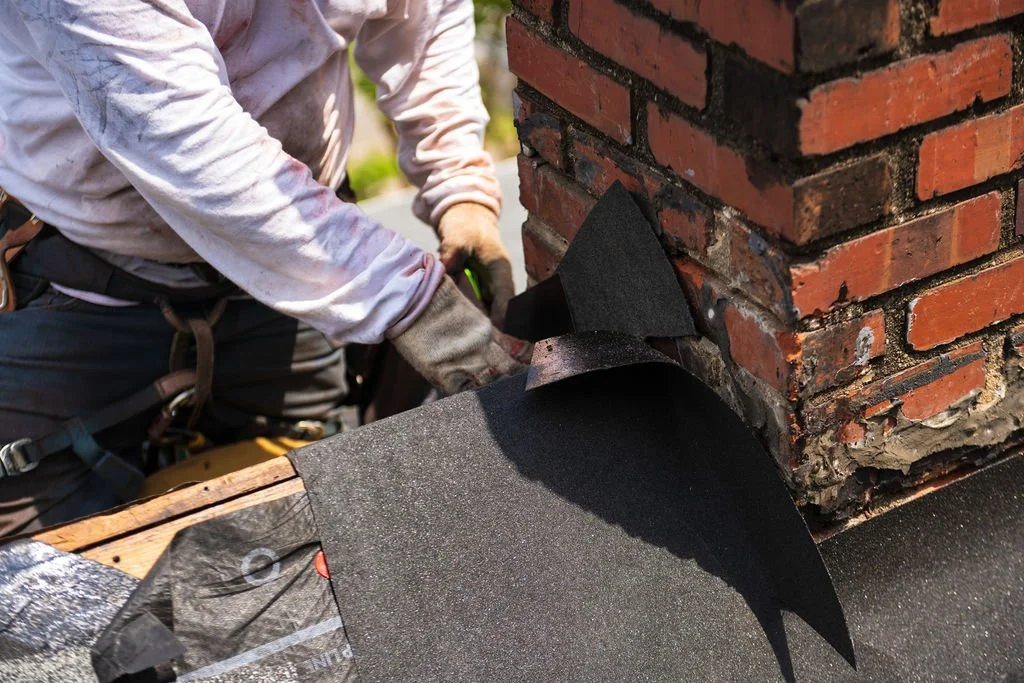
Hail can damage roof coverings and shorten the life of a roof. Wind can loosen materials that looked secure before the storm. Water often enters through the details, not the broad field of shingles. Flashing around walls, chimneys, skylights, roof penetrations, and valleys plays a major role in shedding water. If flashing is poorly installed, damaged, or pulled loose, water can find a path inside. Valleys deserve special attention because they concentrate runoff. When a valley detail fails, it tends to fail in a way that sends a surprising amount of water into the home.
A lot of homeowners assume a leak appears directly under the damaged spot. Sometimes it does. Sometimes it does not. Water can travel along decking or framing before it stains a ceiling. I have seen people point to a brown spot over a bedroom and swear the roof issue was directly above it, only to find the real trouble higher up at a valley or around a flashing transition. That is why a good roof leak repair starts with tracing the path of water, not guessing.
This is also why “I can patch that right now” should not always be comforting. Maybe they can. Maybe that patch buys time. But if they have not identified how the water got in, the patch may only delay the next leak.
Why Georgia licensing should be part of your screening process
One of the clearest filters available to a homeowner in Georgia is licensure. In Georgia, residential and commercial general contractor services performed for compensation require state licensure. The state recognizes residential-basic, residential-light commercial, and general contracting work. Those categories exist for a reason. They signal that the state expects paid contracting work to be handled by people who meet legal requirements.
Georgia’s contractor rules include requirements tied to age, experience, competency, and examinations. For commercial general contractor licensing, the knowledge base extends into building codes, estimating, insurance, surety bonding, and liens. Insurance is also a condition of applying for and maintaining contractor licensure.
That does not mean every homeowner needs to become an expert in state regulation overnight. It does mean you should take licensure seriously instead of treating it like paperwork. If someone is being paid to perform contractor services, the question is not awkward or optional. It is basic due diligence.
The same goes for project type. A contractor who is comfortable on a simple residential roof repair may not be the right fit for a commercial property or for work that crosses into a broader scope. Storm projects can get complicated quickly, especially when water intrusion affects more than the roof covering itself. Matching the contractor to the scope is part of protecting yourself.
Permits are not a side issue
Permits rarely make the top of a homeowner’s worry list after a storm, but they should at least make the list. In Marietta, building permits are required for new construction, temporary buildings, and certain alterations to existing construction. Marietta and Cobb County enforce current Georgia building codes.
That matters because storm work often moves fast, and fast work can drift into sloppy compliance. A contractor who brushes off permit questions may be telling you something important about how they operate. A contractor who understands local compliance should be able to explain whether your project needs a permit and how code issues affect the repair approach.
This is not just city hall trivia. Roofing details such as flashing integration with shingles and underlayment are central to keeping water out. FEMA guidance emphasizes that flashing must be integrated with those systems to prevent water entry. A code-aware contractor is more likely to treat those details as essential rather than cosmetic.
The pressure tactics that should make you step back
After major weather events, homeowners often tell the same stories. Someone appears uninvited, offers a “free inspection,” says the roof is badly damaged, and wants a signature before sunset. If you hesitate, the pitch becomes more urgent. They may imply your insurance money will disappear, or that every reputable crew is about to be booked solid.
Some reputable companies do inspect storm damage quickly. Speed is not the problem. Pressure is.
A strong roofing contractor does not need to trap you into a decision. They can explain what they found, describe temporary measures if needed, and give you room to check their qualifications. If they are offended that you want to verify licensure, ask about insurance, or understand permit requirements, that is useful information. You are not being difficult. You are doing exactly what a homeowner should do after severe weather.
What a good inspection conversation sounds like
The best roof inspections are specific. Not dramatic, not vague, specific.
You want to hear where the damage is, what type of damage was observed, and how that relates to the symptoms inside the home. If you have a stain on a ceiling, the conversation should include likely entry points and whether the leak path has been traced. If the concern is hail, the inspector should be able to explain what was affected and why it matters to service life. If the concern is wind, they should be able to point out what was loosened or displaced.
The details around flashing and valleys deserve special attention. These are common leak points because they handle transitions and concentrated water flow. A contractor who skips past them and talks only about shingles may be missing the places where many leaks begin.
There is also a practical difference between emergency stabilization and full repair. A tarp can be necessary. A temporary patch can be responsible. But temporary work should be described as temporary. Homeowners get into trouble when stopgap measures are presented as complete solutions.
Questions worth asking before you sign anything
A short, calm conversation can reveal a lot about whether you are dealing with a professional or a salesperson.
- Are you licensed in Georgia for the type of work this project requires?
- Is your insurance current, and can you provide proof?
- Will this job require a permit, and who will handle that process?
- What damage did you find, and where are the likely leak entry points?
- Is your proposed work temporary protection, permanent roof repair, or full replacement of damaged areas?
These are not trick questions. A legitimate contractor should be prepared for them. Notice not just the answers, but the tone. Clear, direct answers usually signal a company that does this work regularly and understands the obligations that come with it.
Why leak tracing is more valuable than a fast guess
When homeowners search for roof leak repair, they often want one thing: the water to stop. Fair enough. But the way you get there matters.
Leak tracing is part detective work, part technical skill. Storm water may enter through flashing at a wall intersection, run downward, shift sideways along a seam, and finally appear far from the actual breach. That is one reason roof repair done in a hurry can disappoint. If a contractor replaces a few visible shingles but never evaluates the flashing, the underlayment relationship, or the valley details, they may fix the wrong symptom.
FEMA guidance on sloped roof systems emphasizes proper flashing integration with shingles and underlayment. That is not abstract theory. It is what keeps rain outside. The same principle shows up in field conditions over and over. The leak that seems mysterious from the living room often looks much less mysterious on the roof once those transitions are examined carefully.
A homeowner does not need to know every technical step. But you do want a contractor who can explain the logic of the repair. “We found damage” is not enough. “We found loosened flashing at the valley transition, which is where runoff concentrates, and that likely explains the stain in the adjacent room” is a different level of answer.
Residential homes and commercial buildings are not the same conversation
Georgia’s licensing framework recognizes different scopes of work, and that distinction matters after storms. A single-family home with a leak over a hallway is one scenario. A commercial property with multiple roof penetrations, larger drainage patterns, and broader code implications is another.
The contractor you choose should fit the property and the scope. That is especially important in the Marietta area, where permit compliance and current Georgia building codes are part of the working reality. For commercial projects, state licensing expectations also reflect deeper knowledge areas, including estimating, insurance, surety bonding, and liens. A commercial owner or property manager should not treat that as background noise.
Even for homeowners, this matters when storm damage extends beyond a simple patch. Once a project grows in complexity, the contractor’s grasp of compliance and documentation becomes more important, not less.
Insurance is part of the picture, but it should not drive every decision
After a storm, many people naturally focus on the claim. That makes sense. You should notify your insurer promptly. You should document damage. If your home has disaster-caused roof or ceiling damage, FEMA notes that some losses from leaks may be eligible for assistance, but verification is typically done by on-site inspection.
What you should not do is let the claim process replace independent judgment about the contractor. The goal is not just to have someone who can talk to an adjuster. The goal is to have someone who can correctly identify damage and carry out the work in a compliant, durable way.
Sometimes homeowners get dazzled by promises about “handling everything.” That phrase can mean many things, and not all of them are helpful. The practical version is this: you want a contractor who can assess storm damage, explain temporary versus permanent needs, address leak tracing, and handle permit compliance where required. Anything beyond that should be discussed carefully and in plain language.
Signs you may have found the right fit
Good contractors often share a few habits, and none of them are flashy. They inspect before they diagnose. They explain before they ask for signatures. They treat flashing, valleys, and water paths as central details rather than afterthoughts. They speak comfortably about Georgia licensure and local permit compliance because those are ordinary parts of their job.
They also tend to respect uncertainty. That may sound odd, but it is a useful trait. Storm damage is not always fully visible in the first five minutes. A contractor who admits when something needs closer inspection is often more trustworthy than one who claims instant certainty about every issue on the roof.
Here is another subtle sign. A strong professional usually separates urgency from panic. If you need a tarp, they say so. If active leaking makes immediate action necessary, they say so. But they do not inflate every problem into a same-hour contract decision.
A practical way to slow the process down without delaying needed help
Most homeowners need a middle path after a storm. They do not want to drag their feet while water enters the home, but they also do not want to sign away control to the first person who shows up.
One workable approach is to divide the decision into stages.
- First, document visible damage and contact your insurer promptly.
- Second, arrange safe temporary protection if the roof is exposed or leaking.
- Third, verify the contractor’s Georgia licensure and ask about insurance.
- Fourth, ask whether permit requirements apply to your specific project.
- Fifth, review the proposed scope and make sure it distinguishes temporary stabilization from permanent roof repair.
That process is not slow. It is disciplined. In many cases, it can happen the same day or the next day. The point is to create just enough structure to keep urgency from turning into a bad decision.
The local piece matters more than many people realize
Storms do not hit every neighborhood the same way. One side of town may see heavier hail. Another may get stronger wind exposure. Some roofs are more vulnerable because of design details, previous wear, or the way water concentrates in specific areas. Valleys, wall intersections, and penetrations tend to reveal weaknesses quickly.
In the Marietta area, local code enforcement and permit practices are part of the real landscape of a project, not just technicalities. A contractor working there should be comfortable navigating that environment. They should also be able to evaluate whether the storm left you with a straightforward repair, a leak-tracing challenge, or damage broad enough to require a larger conversation.
That local familiarity can save homeowners from two common mistakes. The first is underreacting, assuming a stain is minor when the entry point is still active. The second is overreacting, replacing more than necessary because nobody took the time to isolate the actual failure.
The best choice is usually the one that feels least theatrical
After a storm, people understandably want certainty. The trouble is that the loudest contractor often sounds the most certain. In roofing, that is not always a virtue.
The best roofing contractor for a post-storm job in Georgia is usually the one who brings competence instead of theater. They know that paid contracting work requires proper licensure. They understand that insurance is tied to maintaining that status. They respect current Georgia building codes and local permit rules. They recognize that hail, wind, flashing failures, and valley issues can all lead to water intrusion in different ways. And when a homeowner needs roof leak repair, they do not just look for a wet spot. They look for the path the water took to get there.
That kind of professionalism may not produce the most exciting sales pitch. It does produce better outcomes.
If your roof took a hit in the last storm, give yourself permission to move promptly without moving blindly. Take photos. Protect the home if it is safe. Notify your insurer. Then choose a contractor the same way you would choose anyone working on one of the most important systems in your home: with a cool head, a few direct questions, and a strong preference for real qualifications over fast talk.